
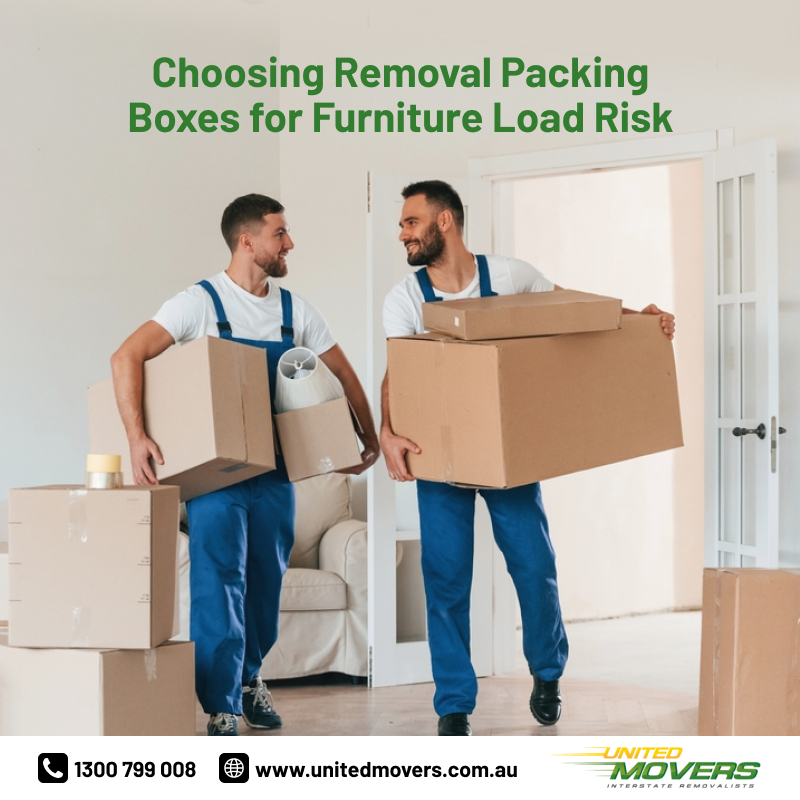
Packing failures cause most moving damages. Not lifting mistakes. Not transport delays. Box selection drives protection outcomes. Choosing removal packing boxes requires strategy, not convenience. Furniture type and load risk dictate every packing decision. This blog explains how professionals match removal packing boxes in Gold Coast to furniture characteristics and transit exposure.
What Should Be Considered While Choosing Removal Packing Boxes
We know what boxes we can use for relocations. But we should also consider the furniture type and load risks before choosing a packing box. Let’s see how we can choose boxes for various items.
Understanding Load Risk Before Selecting Boxes
Load risk defines how furniture behaves during movement. Weight, shape, fragility, and surface finish influence risk levels. Long transit increases vibration exposure and compression forces. Professionals assess load risk before packing begins. High-risk items demand reinforced solutions. Low-risk items allow standard packing approaches. Skipping risk assessment invites preventable damage.
Packing Boxes for Solid Wood Furniture
Solid wood furniture carries weight and structural rigidity. Scratches and joint stress present primary risks. Standard cardboard boxes fail under concentrated loads. Professionals use double-walled or triple-walled boxes for solid wood components. They add internal bracing to prevent shifting. Weight-rated boxes reduce collapse risk during stacking and transport.
Packing Boxes for Upholstered Furniture
Upholstered furniture faces moisture, compression, and fabric abrasion risks. Cardboard alone offers insufficient protection. Fabric surfaces absorb damage quickly. Professionals combine heavy-duty cartons with moisture-resistant liners. They isolate upholstery from external pressure. Box sizing remains critical to prevent fabric stretching and seam stress.
Packing Boxes for Glass and Fragile Furniture
Glass furniture carries extreme load sensitivity. Shock, vibration, and edge impact create immediate failure risks. Generic boxes provide false confidence. Professionals use reinforced cartons with internal partitions for glass items. They apply edge protectors and foam padding. Load orientation remains fixed throughout transit to control stress points.
Packing Boxes for Flat-Pack and Modular Furniture
Flat-pack furniture presents joint and hardware risks. Panels crack under flex pressure. Loose hardware causes alignment failures. Professionals select shallow, rigid boxes for panels. They separate hardware into reinforced accessory cartons. Labelling prevents reassembly errors and missing components after delivery.
Packing Boxes for Antique and High-Value Furniture
Antiques demand zero tolerance for damage. Material ageing increases fragility. Replacement costs exceed standard insurance coverage. Professional furniture packing services in Australia use custom crated boxes or reinforced wooden containers. They eliminate internal movement completely. These boxes prioritise stability over efficiency or stacking convenience.
Matching Box Strength to Weight Distribution
Weight distribution determines box performance. Uneven loads cause corner collapse and bottom failure. Furniture weight rarely distributes evenly. Professionals select boxes rated for concentrated loads. They reinforce base panels and corners. Proper box selection prevents compression damage during stacked transport conditions.
Considering Transit Duration and Handling Frequency
Longer transit increases cumulative stress exposure. Each handling point adds impact risk. Short moves tolerate lighter protection. Long moves do not. Professionals upgrade box strength based on distance and handling frequency. Interstate moves demand higher-grade cartons. Local moves allow standard options with controlled handling.
Labelling and Load Orientation Control
Boxes fail when orientation changes. Furniture requires consistent load positioning. Incorrect handling negates box quality entirely. Professionals select boxes compatible with orientation labels and handling symbols. The box shape supports upright positioning. Clear markings reinforce correct handling throughout the move.
Cost Efficiency Versus Risk Exposure
Cheap boxes reduce upfront costs. They increase replacement and claim risks later. Professional operators balance cost against exposure. Strategic box selection lowers overall move cost. It prevents damage, delays, and disputes. Protection always costs less than replacement.
Do you live in an apartment or a house with multiple storeys? Click here to know how high-rise relocations are done.
Conclusion
Choosing removal packing boxes in Gold Coast requires matching furniture type with realistic load risks. No single box fits every item. Professionalslike United Movers, evaluate weight, fragility, transit length, and handling frequency. Correct box selection transforms packing from guesswork into risk management. When protection aligns with furniture characteristics, damage rates drop and move outcomes improve.